If I do a good job here, you won’t even know I was there
The Wedding Ceremony
Approximate time:
30 - 60 minutes
The ceremony can sometimes be the part of the wedding you have the least control over, oddly enough. Even though it's the centrepiece of the day, it's can also be the part with the greatest difficulties when it comes to photography.
Both officiants (Pastor, Priest, Justice, etc) and venues (Church, Chapel, Courtroom, etc) can come with their own set of constraints. This is something you should be aware of ahead of time; especially if you have something special in mind that may, or may not, be possible. Here are a few of the situations to look out for:
1) the rules
Couples often don't realize that an officiant or a venue can actually have some pretty stringent rules in places regarding how the ceremony plays out, including the photography. These can vary greatly, but can include such things as:
-No flash photography during the ceremony, or during certain portions of the ceremony (I generally don't use flash during ceremonies anyway, as I find it to be distracting).
-No photography at all during the ceremony, or during certain parts of the ceremony. (yes, this is a thing!)
-Photographer is not allowed beyond the front pew of the church.
-Photographer is not allowed beyond the back pew of the church.
-Photographer is not allowed to move during the ceremony. They have to pick a spot and stay there for the duration.
-No kissing allowed during the ceremony. Wait, what? Yeah, that happened once last summer. No first kiss, limited contact, and absolutely no one saw it coming.
Inquiring ahead of time could save you some last minute stresses!
2) THE LIGHT
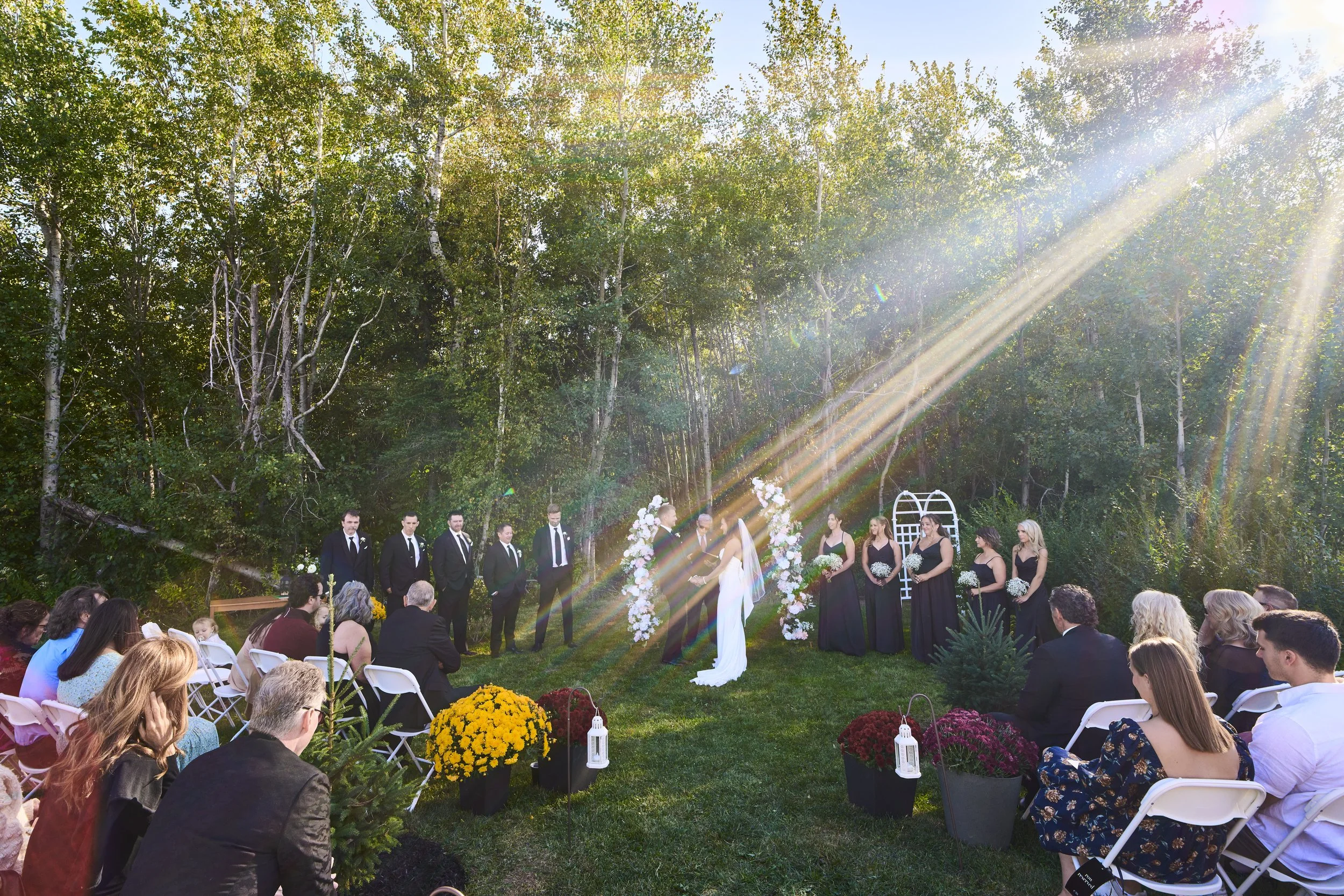
An old building can often be a beautiful backdrop for a wedding - but it can also be a rather gloomy location. Ambiance can come at the cost of good lighting. Here are some lighting issues you might encounter:
Low Light
This is pretty common, although usually not immediately apparent. Churches and cathedrals often rely heavily on natural light through stained glass windows. That light sometimes comes through in pretty small doses if the windows are heavily coloured, or mounted high up on the walls. This can result in slightly grainy pictures, and/or not being able to capture fast motion - if one of you faints half way through the ceremony, you'll want some good light to capture the fall in all its glory. Okay, that hasn’t happened in one of my weddings yet, but you’ve gotta ready for anything, right?
What can you do? These locations often have stage lighting equipment that they don't think to turn on, or don't plan on having someone present to activate for your wedding. It's a question you can ask in advance to make things work out better in the end. But unfortunately that can also lead us to the next issue:
Bad Light
If the venue does have lighting, it's not necessarily going to be good lighting. They might turn the house lights up for the first time just before the ceremony and some of them are greenish while others are yellow, and others are blue. This is incredibly common in older buildings. Suddenly half the people on stage look sickly green while the other half ghostly blue. The stage lighting could also be poorly aligned. The lights could be pointing too far up, too far down, or not where the couple are standing at all, resulting in part, or all, of the couple being in shadow.
Sometimes the stage lights will be hard lights coming from directly overhead, casting dark shadows in everyone’s eyes and making the top of their heads glow unpleasantly.
What can you do?
During the rehearsal, make sure all the lights are on that will be on during the ceremony, and have a careful look at the stage. Maybe even have someone stand in for you and see how they are lit. Then you can either change the lighting or change where you're standing for best effect. It's easy to just take the rehearsal as a chance to figure out where everyone is standing, but it's also a chance to make sure your lights and sound are going to be working the way you want them to on your day.
Too Much Light
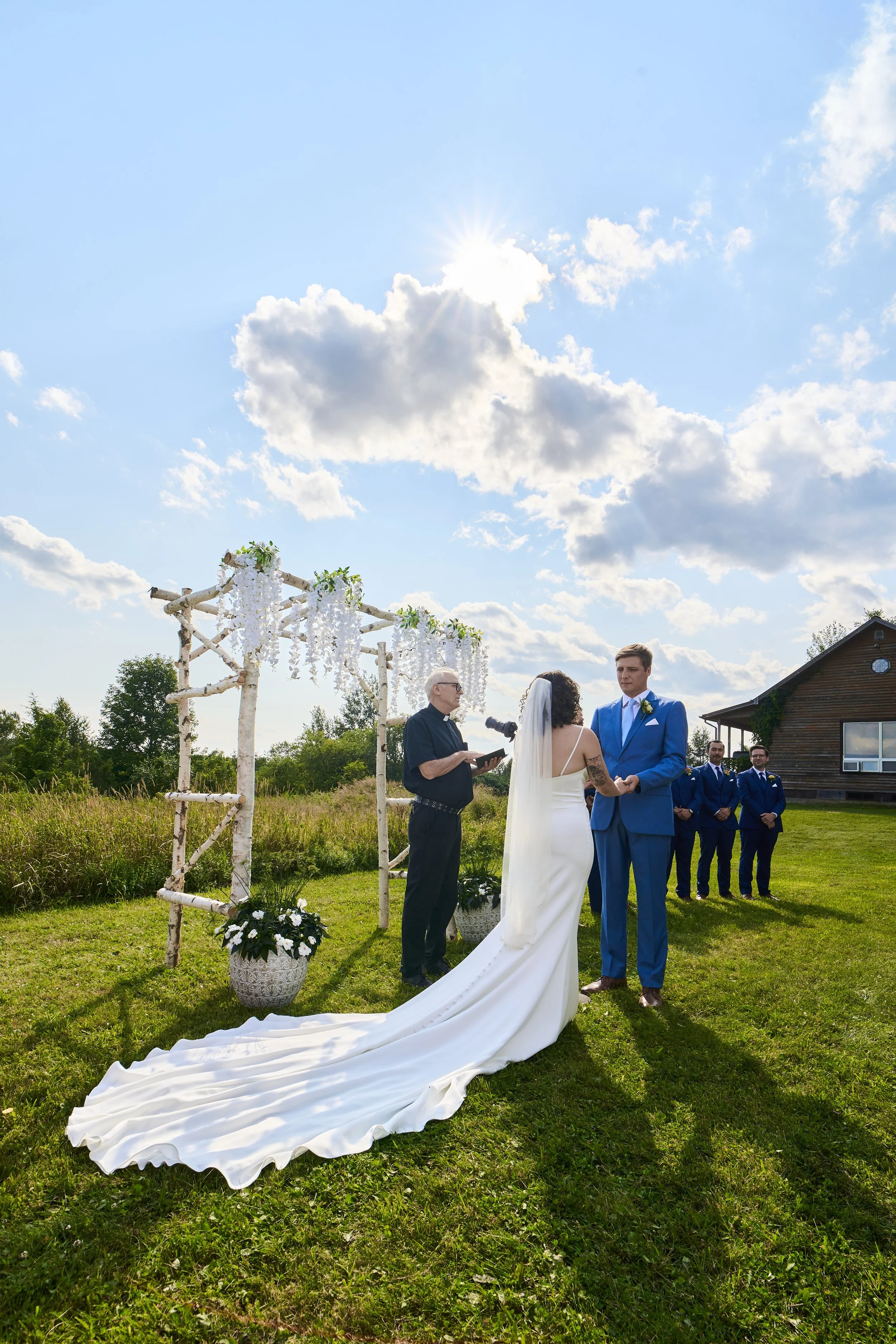
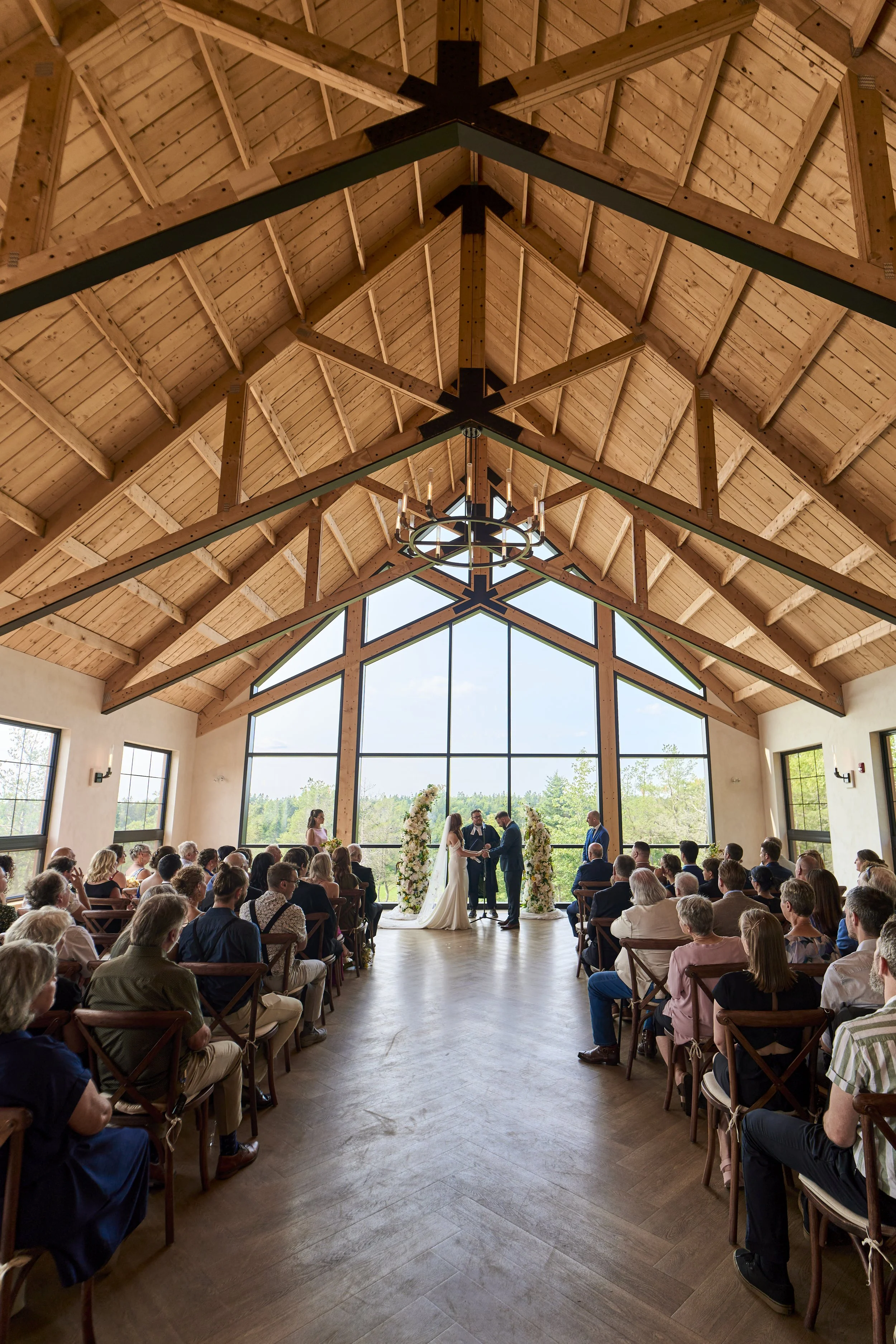
My, how the tables have turned! An outdoor ceremony is pretty common these days, but make sure you keep an eye on the sun. Show up at the same time of day that the ceremony will take place to see whose eyes the sun will be shining in. You don’t want to be squinting and sweating through your ceremony if you don’t have to.
3) the crowd
Let's face it: there will probably be a lot of people at your wedding. I know, I know, you said it was going to be a small ceremony, but - yeah, I remember how that went ;)
Picture this: the officiant says "You may kiss the bride." All of a sudden, your aunt Jackie jumps to her feet, strides into the aisle in front of the photographer, and using her excellent volleyball blocking skills, two hands in the air, gets the only picture of your kiss on her iPod Touch. Believe me, this happens. Often the photographer will be fast enough to dodge around them, but if we have two or three Jackies in the crowd (my apologies to any Aunt Jackies out there), things can quickly go from difficult to impossible. Here are the issues to consider:
Amateur family photographers: Like our beloved aunt Jackie, many of your family members will want to capture the moment for themselves, and unfortunately this will often be on some pretty terrible cameras. They could be wandering about the room, sometimes even ending up on the stage, or even behind you to appear in half of the ceremony photos. I have many photos of this, but I’m not going to share them here because I don’t need to call anyone out.
Professional family photographers: Time to introduce Aunt Mary. She has a huge expensive camera rig, a powerful flash, and she can't wait to show you the great pictures she's going to take at your wedding! The only problem is, when her flash goes off at the same time your photographer takes a picture, the photo is blown out and ruined. She's also pretty overzealous, taking thousands of photos during your ceremony in a constant barrage of clicking and flashing that is only adding to the amount of distraction created by the photographer you paid to be there.
What can you do?
Often just putting a little note in the ceremony handout you're already giving everyone will be enough. Let them know that they will enjoy the ceremony more if they're not behind a phone or camera, that you'll have lots of photos available for them to see not long after that day, and that you're looking forward to sharing those with them. Also, odds are you already know which people are going to potentially be an issue before the day even begins, so just putting in a word with them beforehand (and/or with their significant other) will be enough to avoid any future headaches.
Lastly, it's becoming increasingly common to have "Unplugged" weddings, where everyone attending is encouraged to put away their digital devices for the entirety of the ceremony. They can be assured that not only will there still be lots of photos to be seen from the photographer, but they will have better memories of the day in the end.
A few little things can keep you from having big headaches.
Personally, I don’t have a huge issue with other people taking photos at the same time as me on the wedding day. As long as they don’t get in front of me, or behind you, and keep the flash action to a minimum, that is.